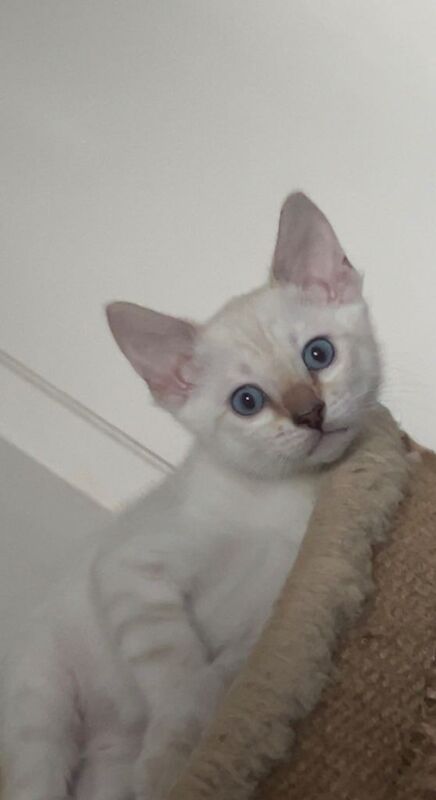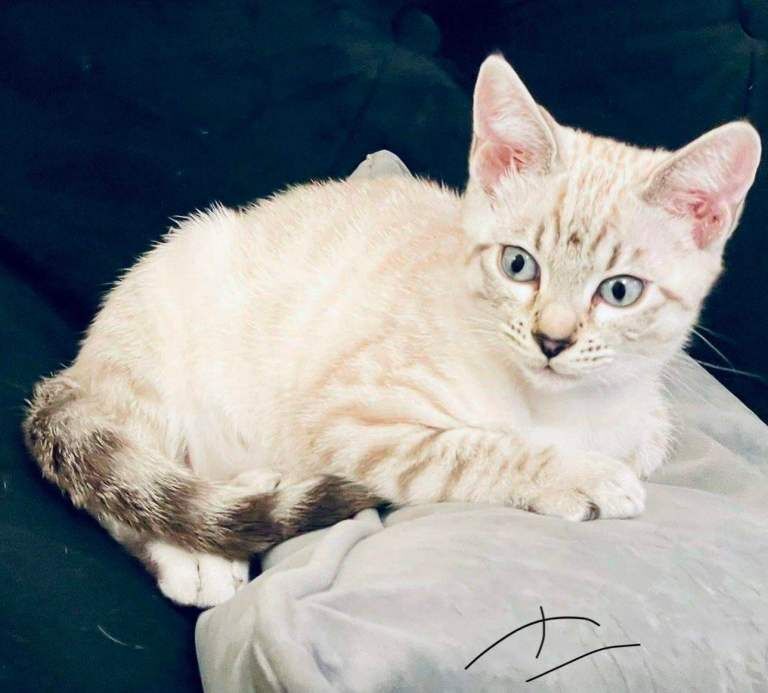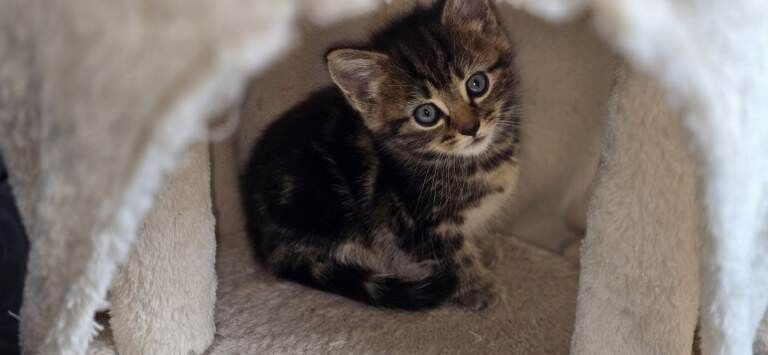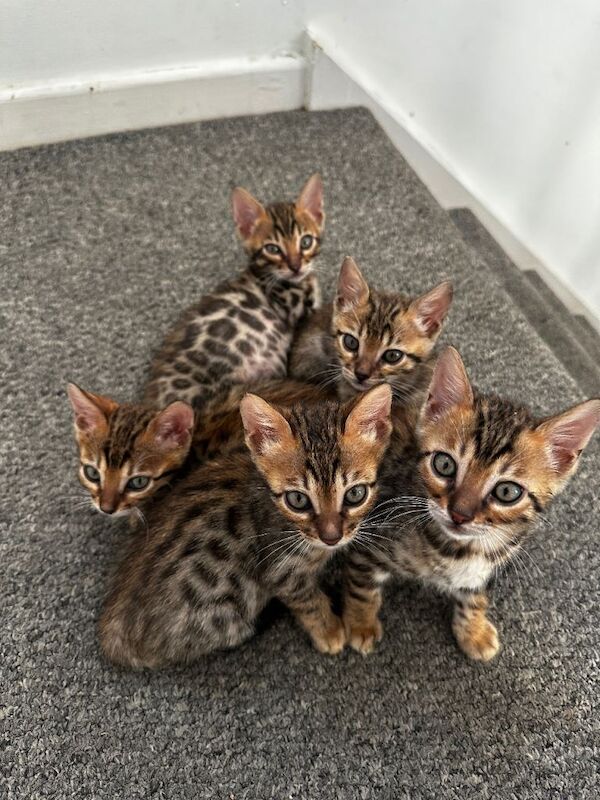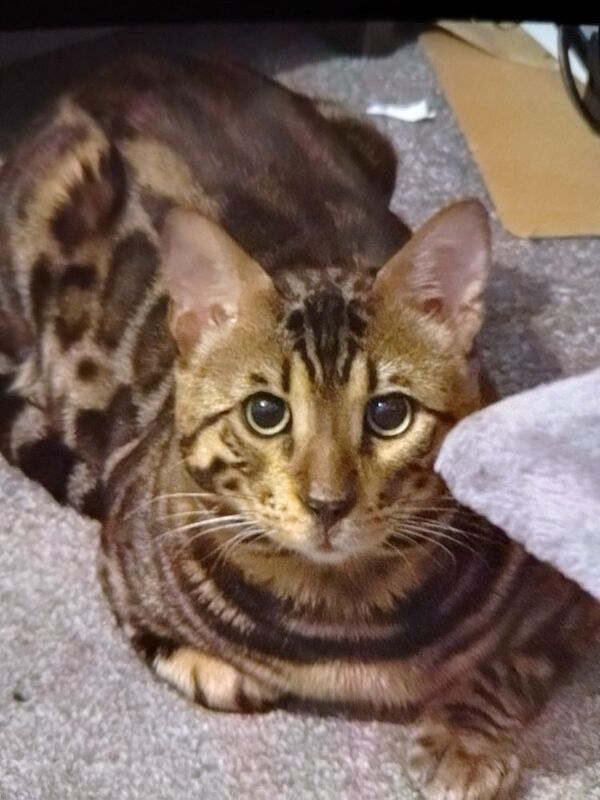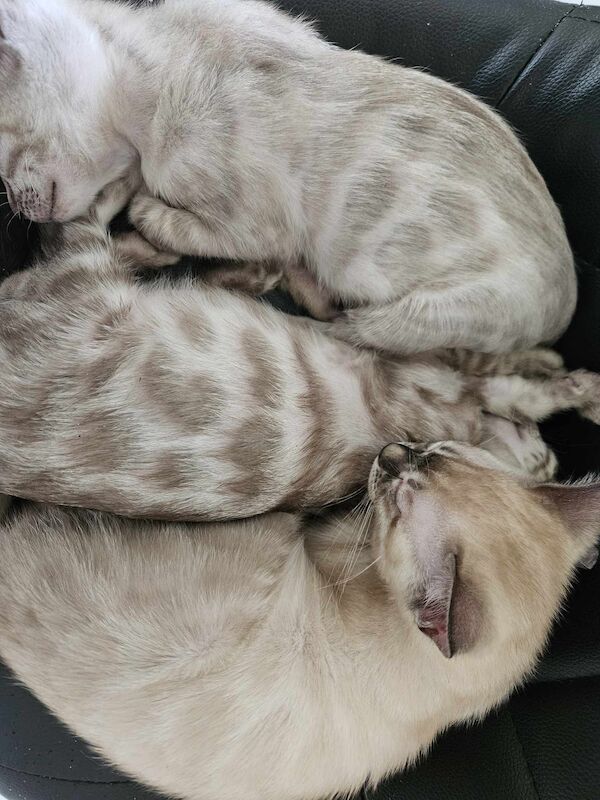
2Bengal Kitten
Age : 3 months old Gender : Boy Pedigree Bengal Potty Trained Vaccinated Leopard print Microchipped
£800
zaid
Private seller
We couldn't find any results exactly matching your search. Below are some results that closely match.
Try expanding your search criteria to get more results, you may like to try:
2Age : 3 months old Gender : Boy Pedigree Bengal Potty Trained Vaccinated Leopard print Microchipped
£800
zaid
Private seller
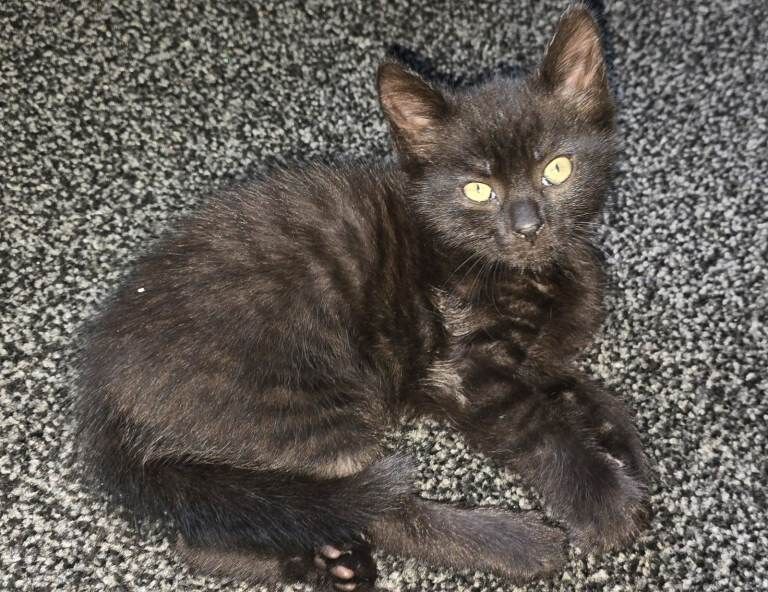
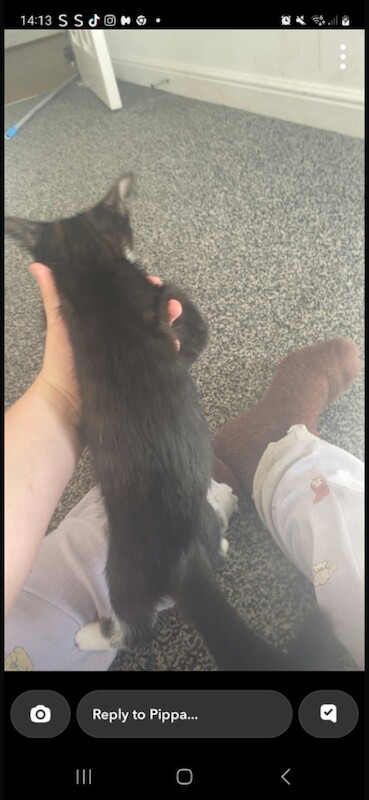
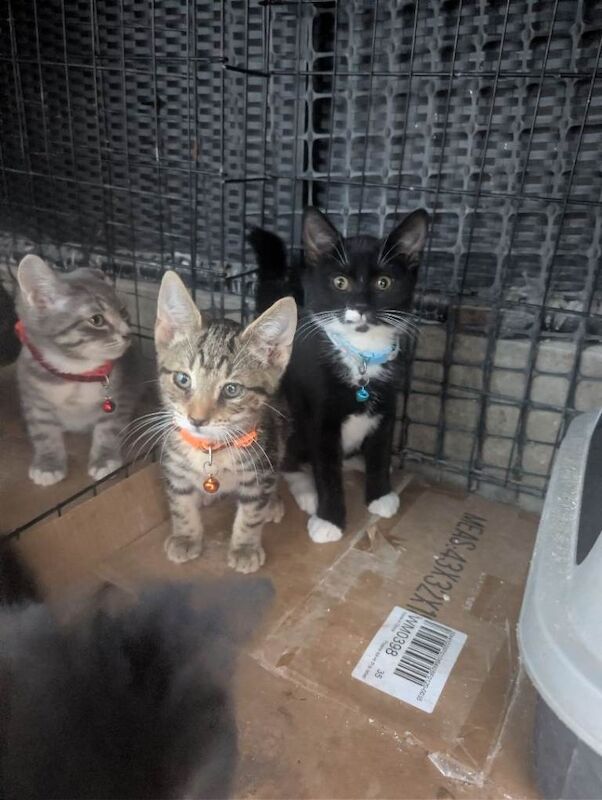
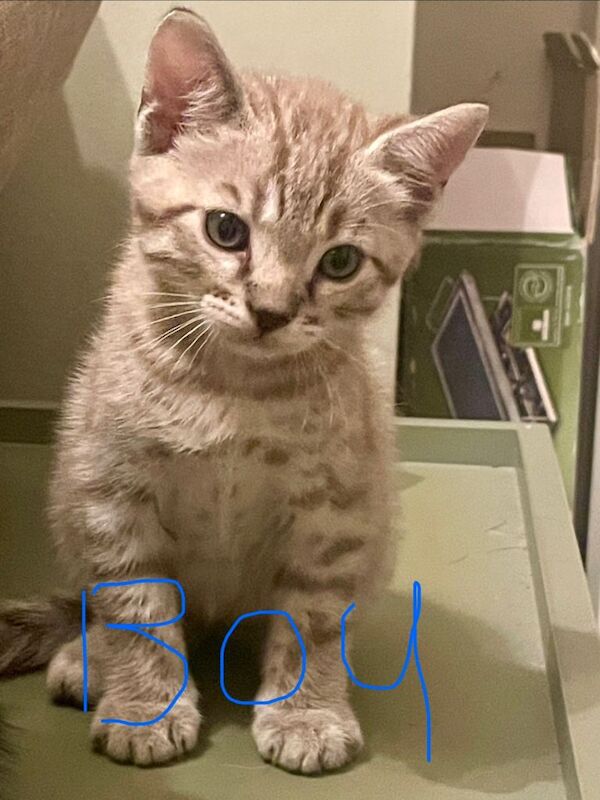
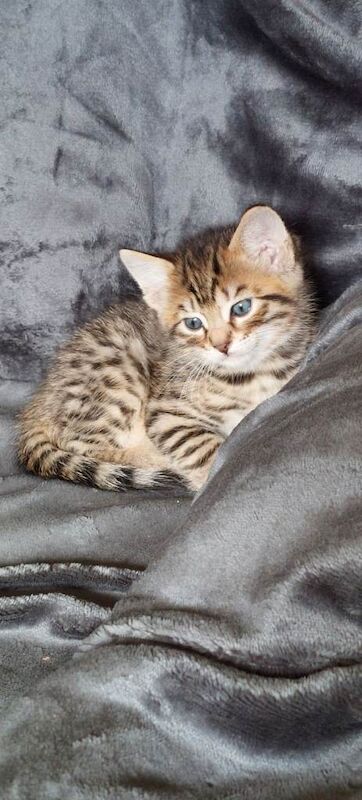
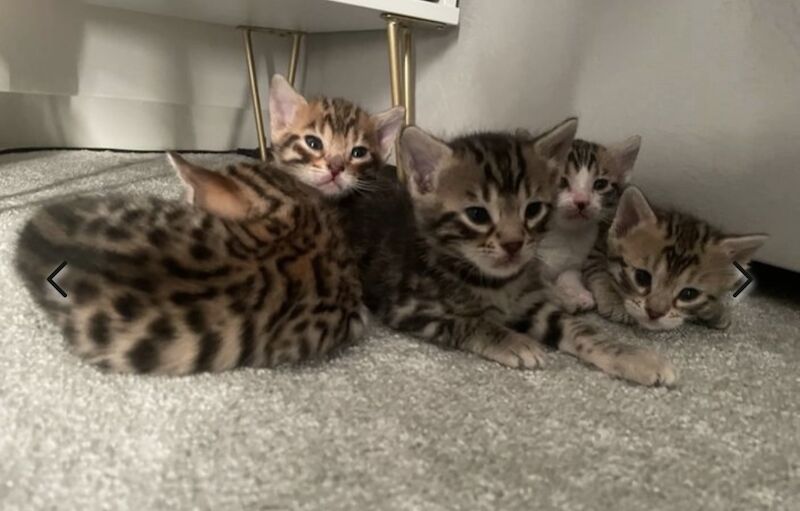
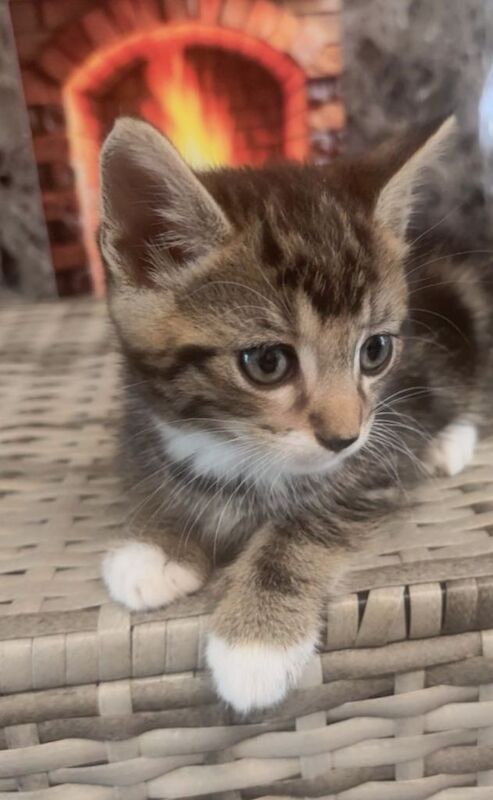
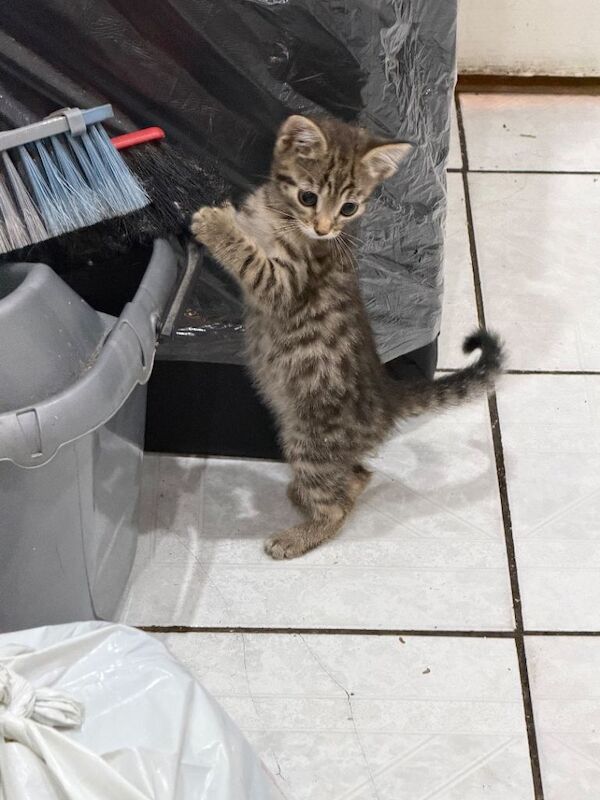
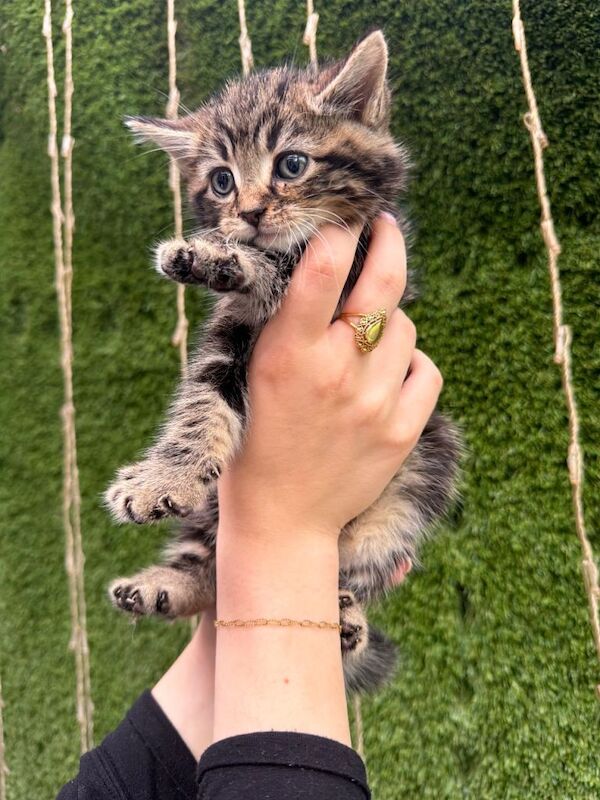
3not sure whether two are full Bengal or not , but both are full spotted , one male and one female. other one is white and black spotted male. Eating dry food and litter trained. Mom is full Bengal, dad unknown 3rd pic displays male white and black £250 4+5th pic is female spotted £400 6+7 pic is male spotted £350 last pic shows them all mother is an indoor cat, can be seen
£350
nisha
Private seller
It's important to remember that any kitten that is advertised as 'Ready to leave now' must be microchipped before being sold by law.
Although not illegal to sell younger, it is also Highly recommended that a kitten does not leave their mother or siblings before being at least 8 weeks old. Generally, 8-12 weeks old is considered the best age to buy or sell a kitten.
Based on our internal marketplace analysis from the last 6 months, a Bengal kitten typically costs between £300 and £400, with an average price of £350. Note that premium prices usually reflect The International Cat Association (TICA) registration and litters from parents with verified health tests, such as hip and eye scores, which we strongly recommend for health security. Market data verified: 20th January, 2026
You can find Bengals through our localized search, which filters for licensed and The International Cat Association Assured Breeders in and around the Ashbourne area. Under UK law, any breeder producing three or more litters a year must hold a local council license. We recommend always visiting the kitten at the breeder's home to view the license and observe the mother (Queen) interacting with the litter to ensure high welfare standards.
Male Bengals tend to be slightly larger and more muscular, with affectionate and playful personalities. They make loyal and energetic companions for families.
Training depends on the individual cat and consistency rather than sex. Male Bengals respond well to training when given proper guidance.
Neutering is often recommended to prevent unwanted litters and reduce some health risks. Your vet can advise on the best timing for your kitten.